

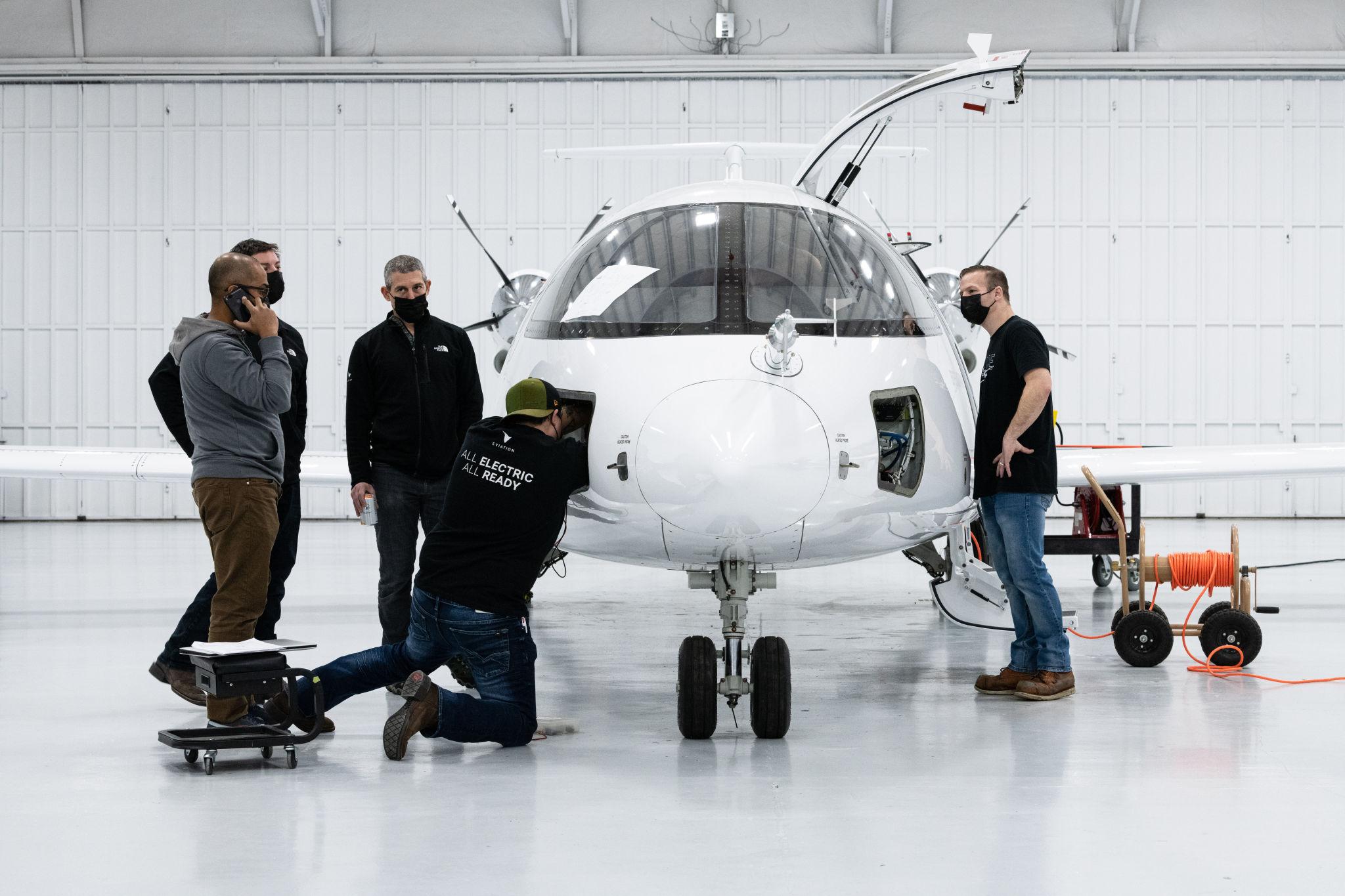
The uk electric airline collapse has sent shockwaves through the aviation industry. The sudden shutdown highlights major risks in electric flight development.
The company, once seen as a leader in green aviation, ceased operations this week. Industry experts say funding issues and slow technology progress played key roles.
What Led to the Collapse
The uk electric airline collapse did not happen overnight. The airline struggled with rising costs and delayed aircraft production.
Meanwhile, investors grew cautious about long-term returns. Electric aviation still faces battery limits and strict safety rules. These challenges slowed expansion plans.
However, the company continued to promise breakthroughs. When those promises failed, confidence dropped quickly. Therefore, financial pressure increased.
Impact on Green Aviation
The uk electric airline collapse raises fresh concerns about the future of sustainable air travel. Many startups depend on investor trust and government support.
Experts warn that this collapse could slow innovation. Smaller firms may find it harder to secure funding. Meanwhile, larger airlines may delay electric fleet investments.
However, some analysts remain hopeful. They argue that setbacks are common in early-stage industries. Therefore, the long-term goal of cleaner aviation remains possible.
What Happens Next After UK Electric Airline Collapse
After the uk electric airline collapse, regulators and investors will likely reassess risks. Governments may introduce stricter policies to protect investments.
Meanwhile, competitors may learn from these mistakes. They could improve planning and reduce financial risks.
Industry leaders say collaboration will be key. Companies must work with engineers and regulators to speed up progress. Therefore, future projects may become more realistic and stable.
The uk electric airline collapse serves as a warning. It shows that innovation needs both strong funding and practical technology. Without both, even promising ideas can fail.