

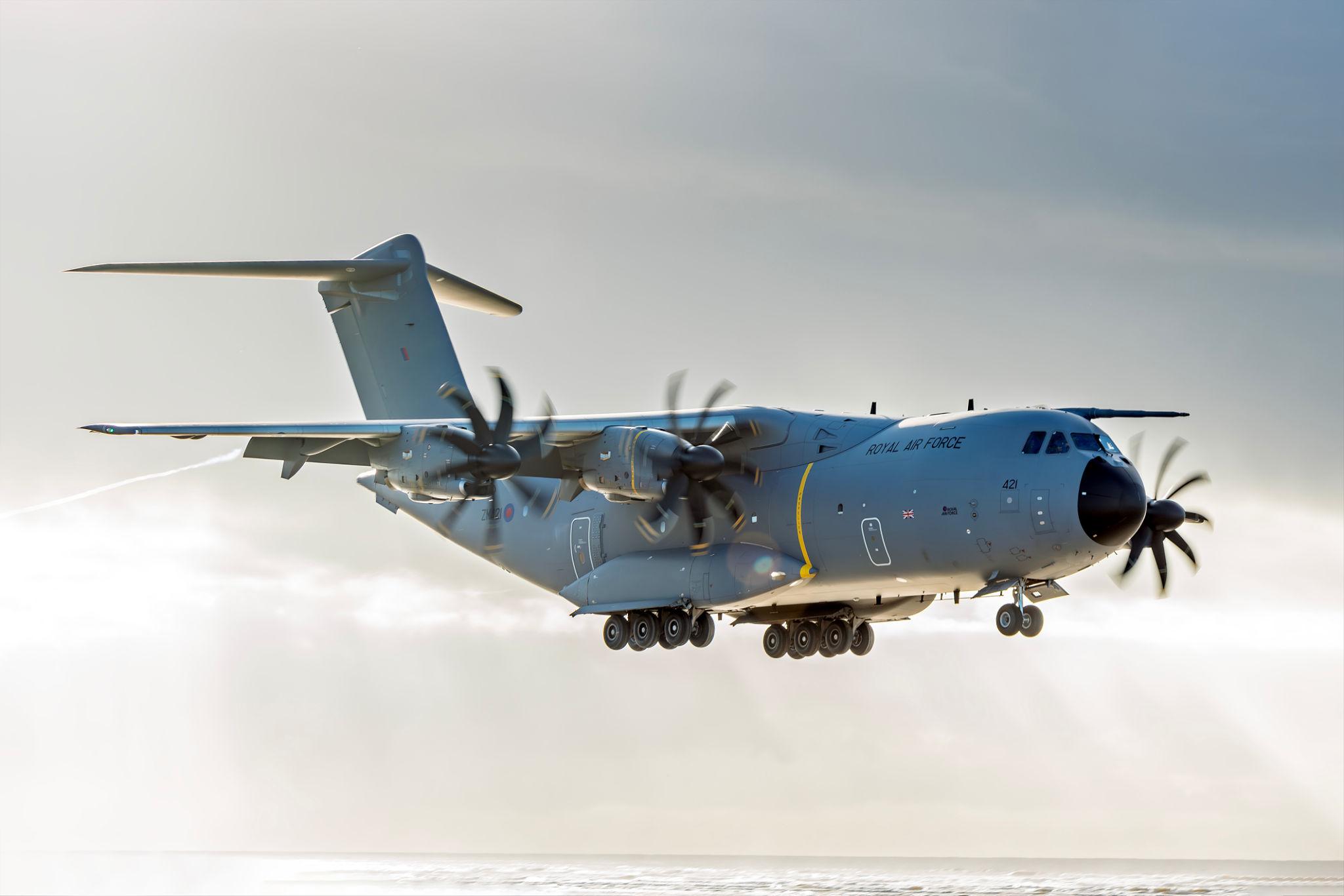
The RAF (Royal Air Force) is the aerial warfare branch of the United Kingdom’s armed forces. It is one of the oldest independent air forces in the world and plays a key role in national defense, surveillance, and international military operations.
Royal Air Force operates under the United Kingdom’s Ministry of Defence and is responsible for protecting UK airspace and supporting global military missions.
History of the RAF
The RAF was officially formed on 1 April 1918 during the final stages of World War I, making it the world’s first independent air force.
It gained global recognition during the Second World War, especially in the Battle of Britain, where RAF pilots played a crucial role in defending the United Kingdom against aerial attacks.
Since then, the RAF has evolved into a modern air force with advanced aircraft and global operational reach.
Roles and Responsibilities of the RAF
The RAF carries out a wide range of military and strategic operations, including:
- Air defense of UK airspace
- Intelligence, surveillance, and reconnaissance
- Transport of troops and equipment
- Search and rescue operations
- Support in international military missions
Its missions often support NATO allies and global peacekeeping operations.
Modern RAF Aircraft and Technology
Today, the RAF operates some of the most advanced military aircraft in the world. These include:
- Eurofighter Typhoon (air defense and combat missions)
- F-35B Lightning II (stealth multirole fighter)
- Airbus A400M Atlas (military transport aircraft)
- Voyager (air-to-air refueling aircraft)
These systems allow the RAF to respond quickly to threats and support global operations.
RAF Structure and Bases
The RAF is organized into different commands and units, each responsible for specific missions such as combat, training, and logistics.
Major RAF bases are located across the United Kingdom and support both domestic defense and overseas deployment.
Personnel include pilots, engineers, intelligence officers, and ground support teams working together to maintain operational readiness.
Importance of the RAF Today
The RAF remains a key part of the UK’s national security strategy. It contributes to:
- Protecting UK airspace
- Supporting NATO operations
- Humanitarian missions worldwide
- Counter-terrorism and surveillance operations
Its role continues to expand as global security challenges evolve.


