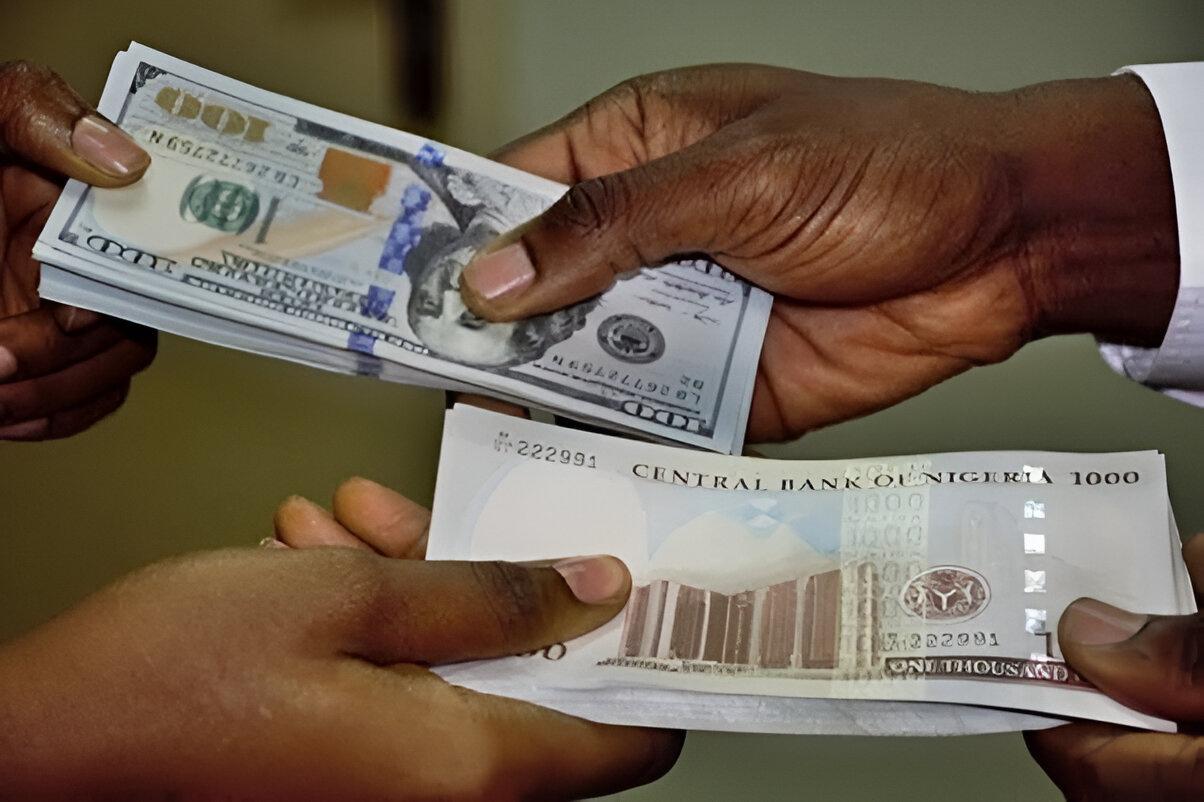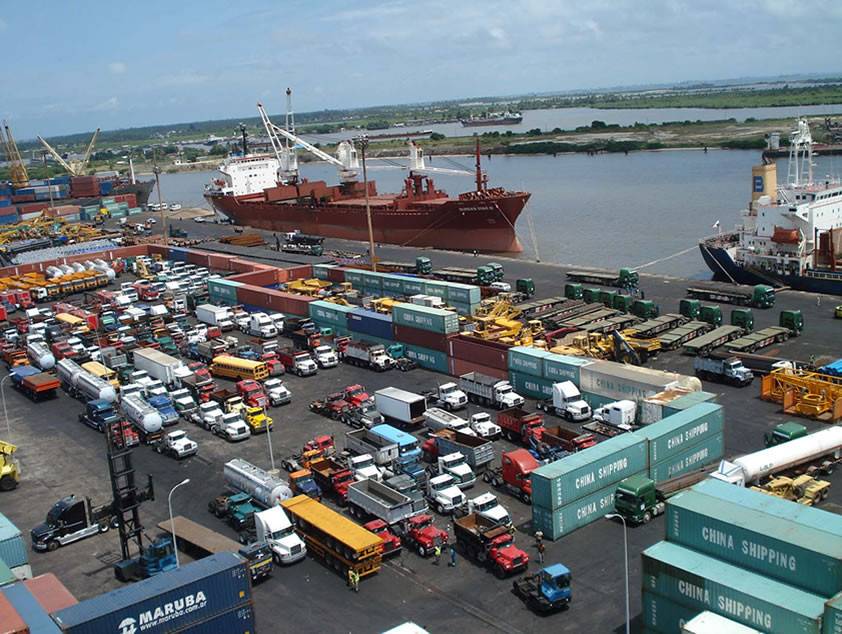


Nigeria is intensifying efforts to attract global investors as the country faces a widening infrastructure deficit estimated at $2.3 trillion.
Experts say the funding gap, which spans over two decades, continues to limit economic growth and development across key sectors.
The investment requirement, projected between 2020 and 2043, highlights the urgent need for sustained funding in areas such as energy, transportation, healthcare, and technology.
Private Sector Seen as Key to Closing the Gap
Speaking during engagements at the Global Infrastructure Forum held alongside meetings of the International Monetary Fund in Washington, D.C., the Director-General of the Infrastructure Concession Regulatory Commission, Jobson Ewalefoh, stressed that private investment will play a central role.
He explained that about 70 percent of the required funding must come from private sources, as government resources alone are insufficient.
“Private capital is no longer optional; it is essential for delivering the infrastructure Nigeria needs,” he said.
Key Sectors Require Massive Investment
Breakdown of infrastructure needs shows significant demand across major sectors:
Energy: About $759 billion requiredTransport: Estimated $595 billion needed
Other sectors: ICT, healthcare, education, and agriculture
These sectors form the backbone of Nigeria’s development and are critical to improving productivity and living standards.
Government Pushes Reforms to Attract Investors
Officials say efforts are underway to improve the investment climate by reducing bureaucracy and strengthening policy consistency.
According to Ewalefoh, investors are more likely to commit funds in environments with lower risks and clearer regulations.
Nigeria is also promoting public-private partnerships (PPPs) as a strategy to develop bankable infrastructure projects and attract long-term financing.
Why the Infrastructure Gap Matters
The Nigeria infrastructure deficit continues to affect:
- Economic growth
- Job creation
- Access to essential services
- Overall quality of life
With a population estimated at over 200 million, the demand for modern infrastructure remains high.
As global investors gather at the IMF platform, Nigeria is positioning itself as a major destination for infrastructure funding. The success of these efforts could determine how quickly the country closes its infrastructure gap and unlocks long-term economic growth.