
The Nigerian currency recorded another decline against the United States dollar at the official foreign exchange market on Monday, continuing its recent downward trend.
Fresh data released by the Central Bank of Nigeria showed that the Naira weakened significantly as trading resumed for the new week.
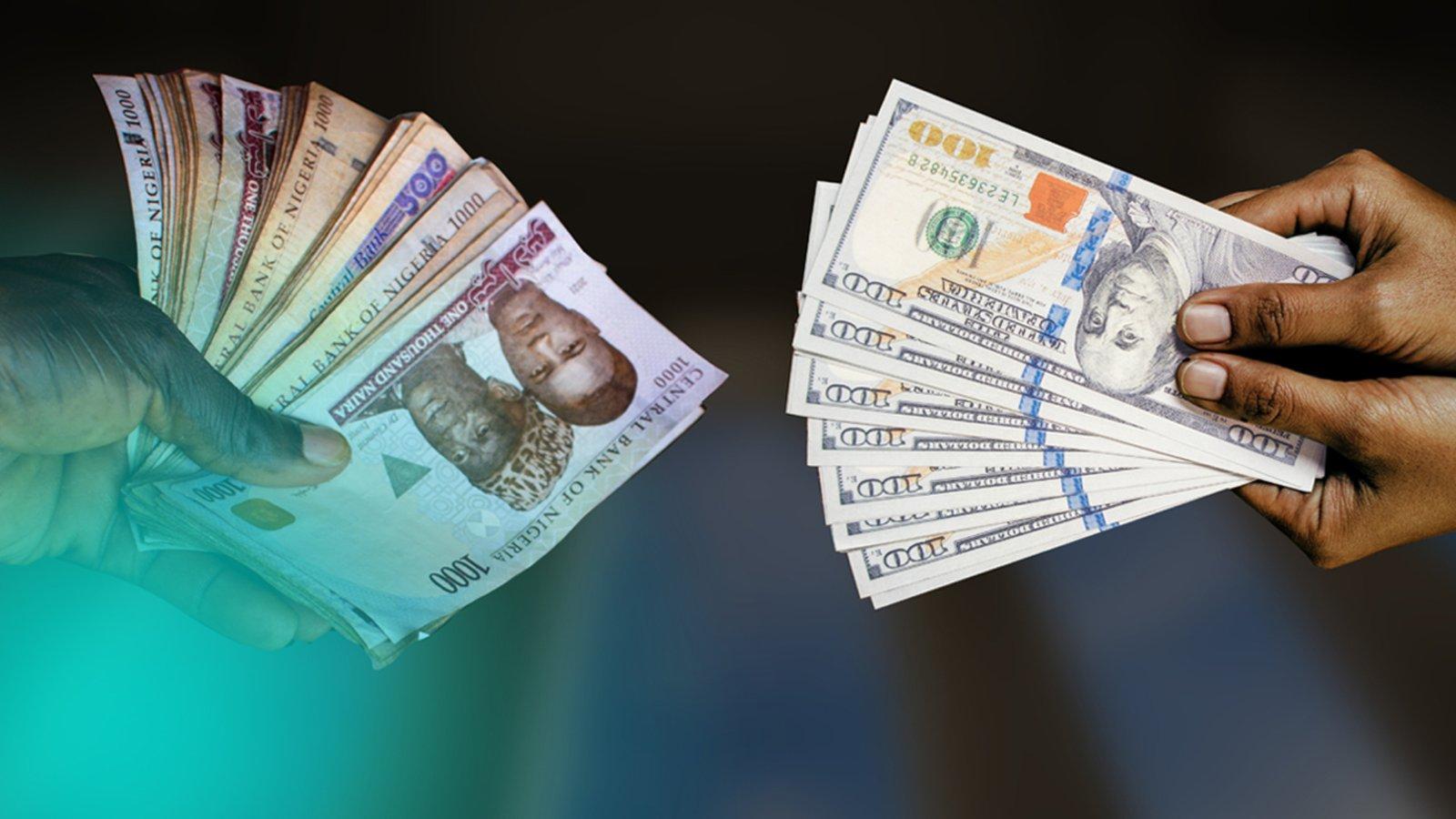
According to official figures from the Central Bank of Nigeria, the Naira closed at N1,373.16 per dollar on Monday.
This represents a depreciation from the N1,361.39 exchange rate recorded at the close of trading last Friday.
The latest movement means the Nigerian currency lost N11.77 against the US dollar within one trading session.
Black Market Exchange Rate Remains Stable
While the official market recorded fresh losses, the parallel market, popularly known as the black market, remained unchanged.
Currency traders exchanged the dollar at around N1,395 on Monday, maintaining the same rate observed at the end of last week.
The gap between the official and parallel market rates continues to attract attention from investors, businesses, and forex users across the country.
External Reserves Rise Despite Naira Decline
The depreciation happened despite a slight increase in Nigeria’s external reserves.
CBN data showed that the country’s reserves rose to $48.36 billion on May 8, 2026, compared to $48.33 billion recorded a day earlier.
Economic analysts say movements in the foreign exchange market continue to be influenced by demand pressures, investor sentiment, and overall market liquidity.
Pressure on Nigerian Currency Continues
The Naira has experienced persistent volatility in recent months as businesses and importers continue to battle rising demand for foreign exchange.
Experts believe sustained pressure on the currency may continue to affect inflation, import costs, and the prices of goods and services across Nigeria.
Many Nigerians are also closely monitoring the exchange rate due to its impact on fuel prices, school fees abroad, travel expenses, and international transactions.
The latest drop in the Naira highlights ongoing pressure in Nigeria’s foreign exchange market despite improvements in external reserves.
As market participants await further interventions and policy measures, attention remains focused on how the Central Bank and economic managers will stabilise the currency in the coming weeks.