

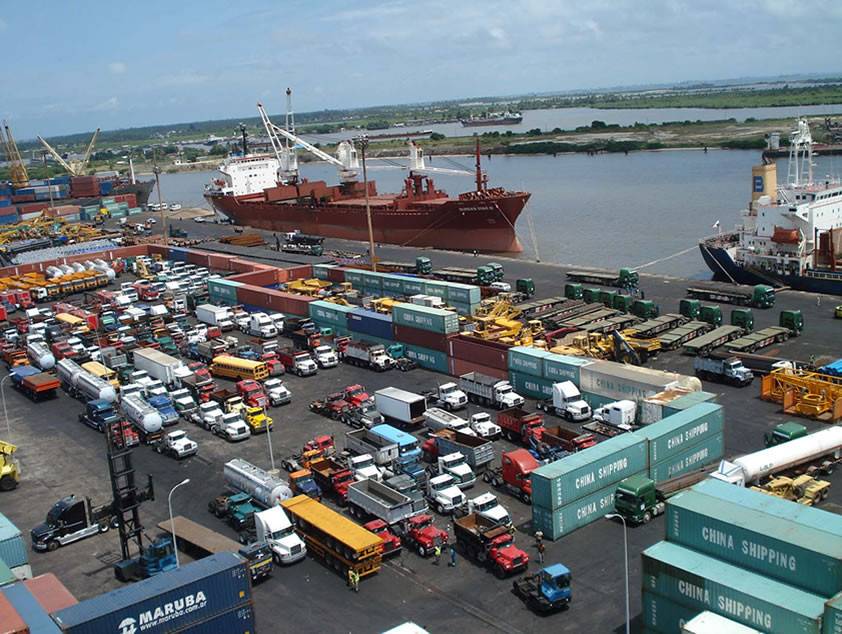
The Nigerian Ports Authority has announced the arrival of nine vessels at major seaports in Lagos State.
The ships berthed at the Lekki, Tin-Can Island and Apapa ports and are awaiting clearance to discharge petroleum products and other cargo.
NPA Announces Arrival of Nine Ships at Lagos Ports
NPA announces arrival of nine ships as part of ongoing maritime activities across Nigeria’s seaports.
According to the authority’s Shipping Position report, the vessels are carrying products including Premium Motor Spirit, aviation fuel, diesel, gasoline and bulk fertiliser.
The report stated that the vessels are among scheduled maritime traffic expected between May 15 and May 22.
Petroleum Products Among Major Cargo
NPA announces arrival of nine ships carrying several petroleum-related products into Lagos ports.
The cargoes include petrol, aviation fuel, diesel and gasoline meant for distribution within the country.
The authority also disclosed that some vessels are transporting bulk fertiliser and industrial materials.
More Ships Expected at Lagos Ports
NPA announces arrival of nine ships while projecting additional vessel traffic within the review period.
According to the report, about 35 more ships are expected to berth at the Apapa, Lekki and Tin-Can Island ports.
The vessels are expected to transport different categories of imports and general cargo into Nigeria.
Vessels Carry Diverse Cargoes
NPA announces arrival of nine ships carrying commodities such as buckwheat, crude oil, frozen fish and containerised goods.
Other expected cargoes include base oil, bitumen, bulk sugar, gypsum, salt and wheat.
The authority said the movement of vessels reflects continued commercial and maritime activities at Lagos ports.
Lagos Ports Remain Key Maritime Hub
Apapa Port, Tin Can Island Port and Lekki Deep Sea Port remain among Nigeria’s busiest maritime facilities.
NPA announces arrival of nine ships as cargo operations continue across the ports to support trade and supply chains.
The ports handle large volumes of petroleum products, food items and industrial cargo entering the country.