

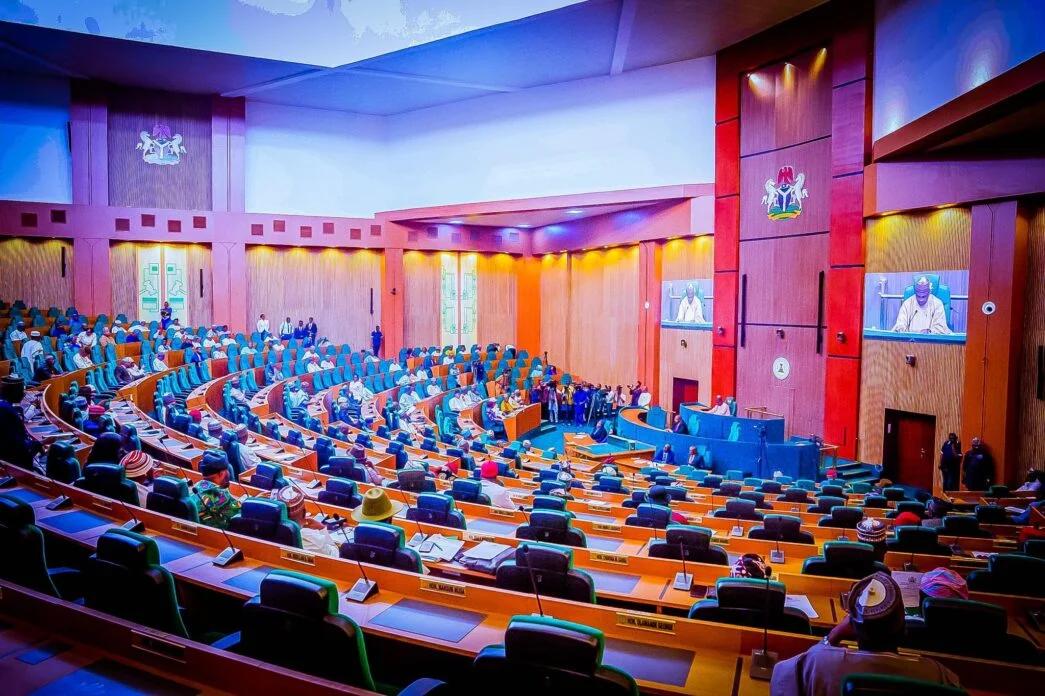
Nigeria’s House of Representatives has approved the State Police Bill, marking one of the most significant developments in the country’s ongoing debate over security reform and policing structure.
The proposal secured overwhelming backing from lawmakers during Thursday’s plenary session, signaling strong legislative support for a decentralized policing system aimed at addressing growing security challenges nationwide.
The session was presided over by Speaker Tajudeen Abbas.
Strong Support for State Police
The vote comes against the backdrop of increasing concerns over insecurity across various parts of the country, including incidents of kidnapping, banditry, violent attacks and communal clashes.
Lawmakers devoted the day’s proceedings to deliberations on the proposed legislation, which seeks to establish state-controlled police formations alongside existing federal security structures.
When voting concluded, 289 lawmakers supported the bill, while only one member voted against it.
Debate Emerges During Proceedings
Although the proposal received overwhelming support, deliberations were not without controversy.
A member representing Kaduna State, Bashir Zubairu, raised concerns over the timing of the committee report presented to lawmakers.
According to him, members had insufficient time to properly review the document before debate and voting commenced.
However, Speaker Abbas ruled the objection out of order and directed the legislative process to continue.
Voting Conducted Without Electronic System
Before the voting exercise began, the Speaker informed members that the chamber’s electronic voting system was unavailable.
As a result, lawmakers relied on attendance records and alternative voting procedures to determine the outcome.
The overwhelming majority ultimately backed the proposal, reflecting broad support within the lower chamber for constitutional changes that could reshape Nigeria’s security architecture.
What State Police Could Mean for Nigeria
Supporters of state policing argue that localized security structures would improve response times, strengthen intelligence gathering and enable states to address security threats more effectively.
Advocates also believe state governments possess a better understanding of local security challenges than centrally managed institutions.
However, critics have expressed concerns about possible political interference, funding challenges and the risk of abuse by state authorities.
Next Stage of the Legislative Process
While the House approval represents a major milestone, the proposal must still complete additional constitutional and legislative requirements before becoming law.
Political observers view the development as one of the most consequential security reforms currently under consideration in Nigeria.
With insecurity remaining a major national concern, the debate surrounding state police is expected to continue in the coming months.