
Africa has entered the 2026 FIFA World Cup with its largest-ever representation, but expectations remain cautious as the continent’s 10 teams face different levels of pressure on football’s biggest stage.
Morocco, Senegal, Ghana, Algeria, Cape Verde, Tunisia, South Africa, Egypt, DR Congo and Cote d’Ivoire are carrying the hopes of the continent at the expanded 48-team tournament.
However, early results have already shown that the road ahead may be difficult.
Africa’s Record Representation
The 2026 edition marks a historic moment for African football, with 10 teams competing at the tournament for the first time.
The expanded format has opened the door for more nations, including debutants Cape Verde, to test themselves against the world’s best.
Yet, while the increase in numbers has raised excitement, analysts believe only a few African sides may have the quality and structure to make a deep run.
Morocco Seen as Africa’s Strongest Hope
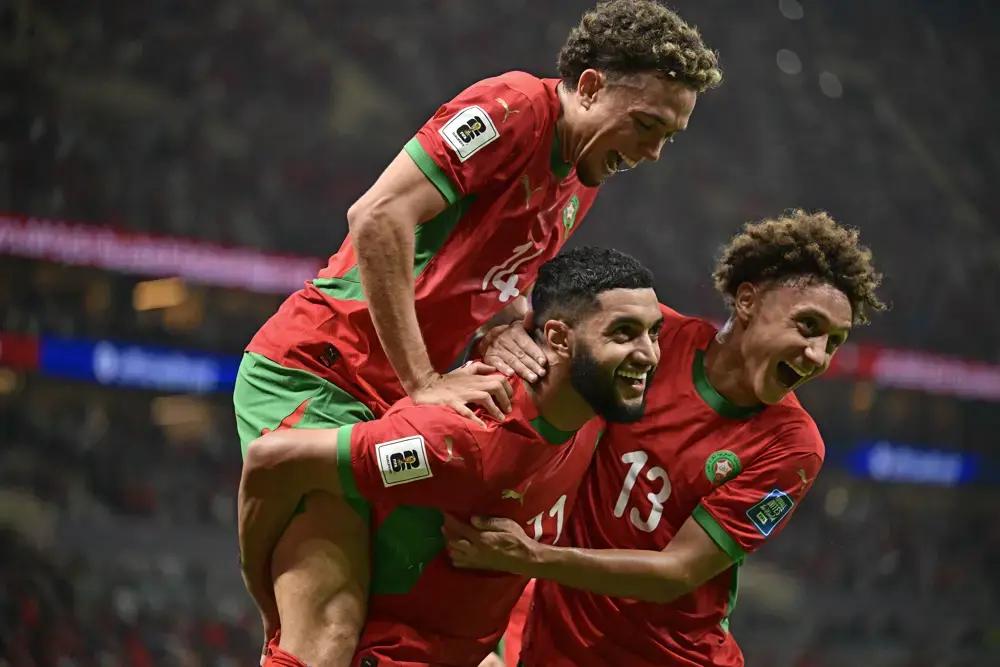
Morocco remain one of Africa’s brightest prospects after their historic fourth-place finish at the 2022 World Cup.
The Atlas Lions again showed their quality with a strong performance against Brazil, holding the South American giants to a 1-1 draw.
Their composure, pressing and ability to control phases of the game have strengthened belief that they can progress from the group stage and possibly go further.
South Africa Struggle in Opener
South Africa endured a difficult start after losing 2-0 to co-hosts Mexico.
Bafana Bafana finished the match with nine men after two players were sent off, making an already difficult assignment even harder.
The performance raised concerns about their ability to cope with the pressure and intensity of the World Cup stage.
Cote d’Ivoire Delivers Africa’s First Win
Cote d’Ivoire provided a major lift for the continent after edging Ecuador 1-0.
Amad Diallo scored the decisive goal in the 90th minute, giving Africa its first victory of the tournament.
The result has boosted confidence around the Ivorian squad and positioned them as one of the African teams capable of advancing from the group stage.
Tunisia Suffer Heavy Defeat
Tunisia had a night to forget after being beaten 5-1 by Sweden.
The result underlined the level of quality African teams will face at the tournament and increased pressure on the North Africans ahead of their remaining group fixtures.
Their response in the next game could determine whether they still have a realistic chance of progressing.
Senegal and Ghana Carry Strong Expectations
Senegal are expected to face one of the toughest groups, but their experience and talent could still help them qualify as one of the best third-placed teams.
Ghana also carry strong World Cup pedigree, having produced memorable performances in past editions.
With a mix of experienced players and younger talents, the Black Stars are seen as one of the African sides capable of navigating the group stage.
Cape Verde, Egypt and Others Face Key Tests
Cape Verde will make their World Cup debut against European champions Spain, a match expected to test their defensive discipline and tournament readiness.
Egypt also face a difficult opener against Belgium, while Algeria and DR Congo will be aiming to prove they are more than just participants.
For many of these teams, a strong first performance could shape the direction of their campaign.
Can Africa Match 2022?
Morocco’s 2022 semi-final run remains the benchmark for African teams at the World Cup.
While the continent has more representatives this time, matching that achievement will require consistency, discipline and elite-level execution.
For now, Morocco, Senegal, Cote d’Ivoire and Ghana appear to carry the strongest hopes of reaching the knockout rounds.
A Defining Tournament for African Football
The 2026 World Cup presents both opportunity and pressure for Africa.
The expanded format gives more teams global exposure, but it also raises expectations about performance.
As the group stage continues, African supporters will be watching closely to see which teams can move beyond participation and make a serious statement on the world stage.