

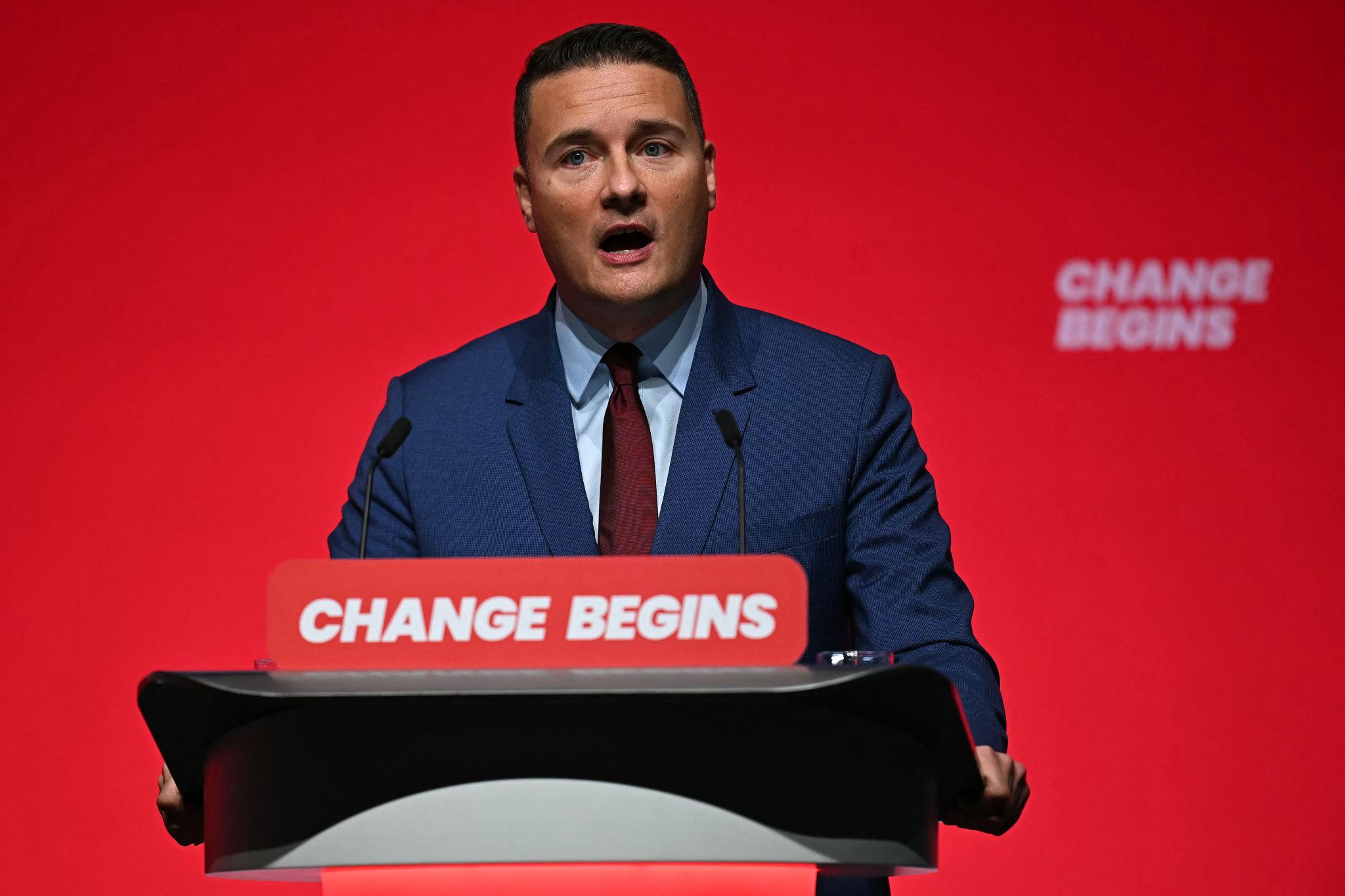
Britain’s political crisis deepened on Thursday after UK Health Minister Wes Streeting announced his resignation, intensifying speculation over a possible leadership challenge against Prime Minister Keir Starmer.
Streeting, one of Labour’s most prominent figures, confirmed his departure in a resignation letter posted on X, where he openly questioned Starmer’s political future following growing unrest within the ruling Labour Party.
“It is now clear that you will not lead the Labour Party into the next general election,” Streeting wrote.
The 43-year-old politician also said he had “lost confidence” in Starmer’s leadership, adding that any discussion about the party’s future should involve “the best possible field of candidates.”
His resignation marks the most significant Cabinet departure since Labour’s recent electoral setbacks and signals widening divisions at the top of government.
Labour Leadership Crisis Deepens
The resignation comes after Labour suffered heavy losses in local and regional elections last week, triggering fresh doubts about Starmer’s ability to maintain control of the party.
Although Starmer led Labour to victory in the 2024 general election — ending 14 years of Conservative rule — his administration has struggled to contain internal rebellion after disappointing performances in recent polls.
More than 80 Labour MPs have reportedly urged Starmer to step aside, while four junior ministers have already resigned in recent days.
Despite mounting pressure, Starmer has insisted he will remain in office.
A spokesperson for the prime minister said on Thursday that Starmer was “purely focused on governing” and had no intention of stepping down.
Angela Rayner Re-Emerges in Leadership Conversation
The Labour Party turmoil intensified further after former deputy prime minister Angela Rayner revealed that UK tax authorities had cleared her of deliberate wrongdoing in a tax-related investigation.
Rayner said HMRC had exonerated her from accusations that she intentionally avoided tax payments linked to a property transaction.
Her political rehabilitation could strengthen her position in any future Labour leadership contest.
While Rayner stopped short of directly calling for Starmer’s resignation, she urged the prime minister to “reflect” on Labour’s current direction and said she was ready to play “whatever role” necessary to help the party recover.
The left-wing Labour figure remains highly popular among grassroots members and is widely seen as one of the strongest alternatives to Starmer.
Internal Divisions Inside Labour
Streeting’s resignation also highlights deep ideological divisions within Labour.
He is viewed as popular among Labour’s centrist and right-leaning factions, while many MPs on the left are reportedly backing either Rayner or Greater Manchester Mayor Andy Burnham as potential successors.
Burnham, however, currently faces constitutional barriers because he does not hold a seat in the Westminster parliament.
Supporters are reportedly pushing for a structured transition timetable that could eventually allow him to contest the leadership.
Local Election Losses Shake Government
Labour’s recent local election results exposed growing voter frustration with the government’s performance after nearly two years in power.
The party lost control of the Welsh parliament for the first time, while also failing to gain momentum against the Scottish National Party in Scotland.
Meanwhile, the hard-right Reform UK and the Green Party made significant gains at Labour’s expense.
Political analysts say the election results have emboldened Starmer’s critics inside the party and accelerated conversations about Labour’s long-term leadership strategy ahead of the next national vote.
Starmer Vows to Fight On
Despite the growing rebellion, Starmer has refused to back down.
Speaking earlier this week, the UK prime minister promised to prove his critics “wrong” and pledged to improve Labour’s performance.
He has also received support from several senior Cabinet allies, including Finance Minister Rachel Reeves, who warned colleagues against creating instability during a fragile economic period.
Reeves cautioned that forcing a leadership contest could “plunge the country into chaos” and damage public confidence in the government.
With senior resignations mounting and internal divisions now public, Labour faces one of its most turbulent political moments since returning to power.


