
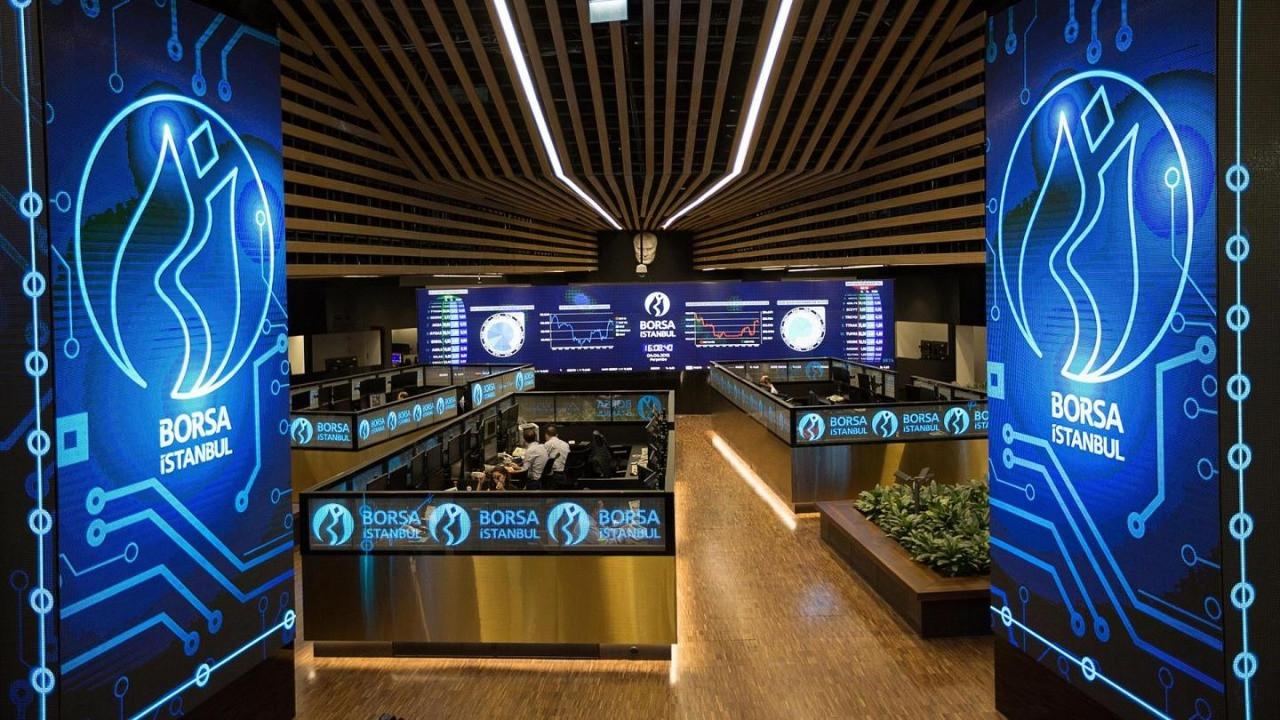
The BIST 100 is the main stock market index of Turkey and represents the performance of the largest and most actively traded companies listed on the Istanbul Stock Exchange. It is widely used as a benchmark for the overall health of Turkey’s equity market.
BIST 100 is managed under the country’s official exchange operator, Borsa Istanbul.
What BIST 100 Means in the Financial Market
The BIST 100 tracks the performance of 100 major companies across different sectors such as banking, energy, manufacturing, and telecommunications.
It is calculated based on market capitalization and trading volume, meaning larger and more frequently traded companies have a bigger impact on the index movement.
When the index rises, it generally signals positive market performance. When it falls, it may reflect economic pressure or investor uncertainty. How BIST 100 Works
The BIST 100 is calculated in real time during trading hours. Prices of included companies constantly change based on buying and selling activity.
Key factors influencing the index include:
- Inflation rates
- Interest rate decisions
- Foreign investment flow
- Corporate earnings reports
- Global market conditions
Because of this, the index is often seen as a reflection of both domestic and international economic conditions affecting Turkey.
Importance of BIST 100 for Investors
The BIST 100 is important because it helps investors:
- Track overall market performance
- Compare individual stock performance
- Make investment decisions
- Understand economic trends
Many mutual funds and institutional investors also use it as a benchmark for evaluating portfolio performance in Turkey.
Why BIST 100 Moves Up and Down
The movement of the BIST 100 depends on several economic and political factors. Positive company earnings, stable inflation, and foreign investments usually push the index upward.
On the other hand, uncertainty in global markets, currency fluctuations, or domestic economic pressure can cause declines.
Because of this sensitivity, the index is closely watched by economists, traders, and financial analysts.